ERITREA: GROUND RULES
1. The Comfort Ritual
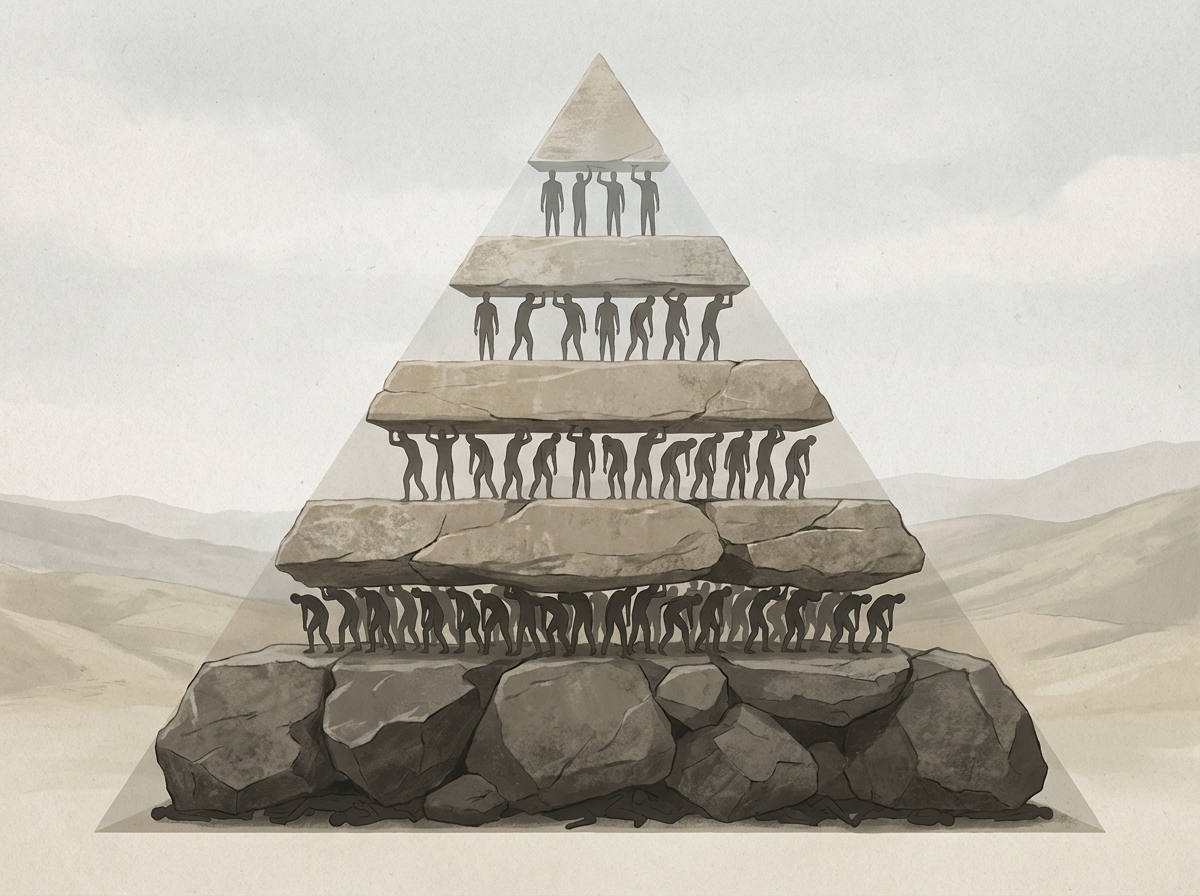
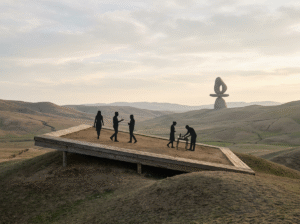
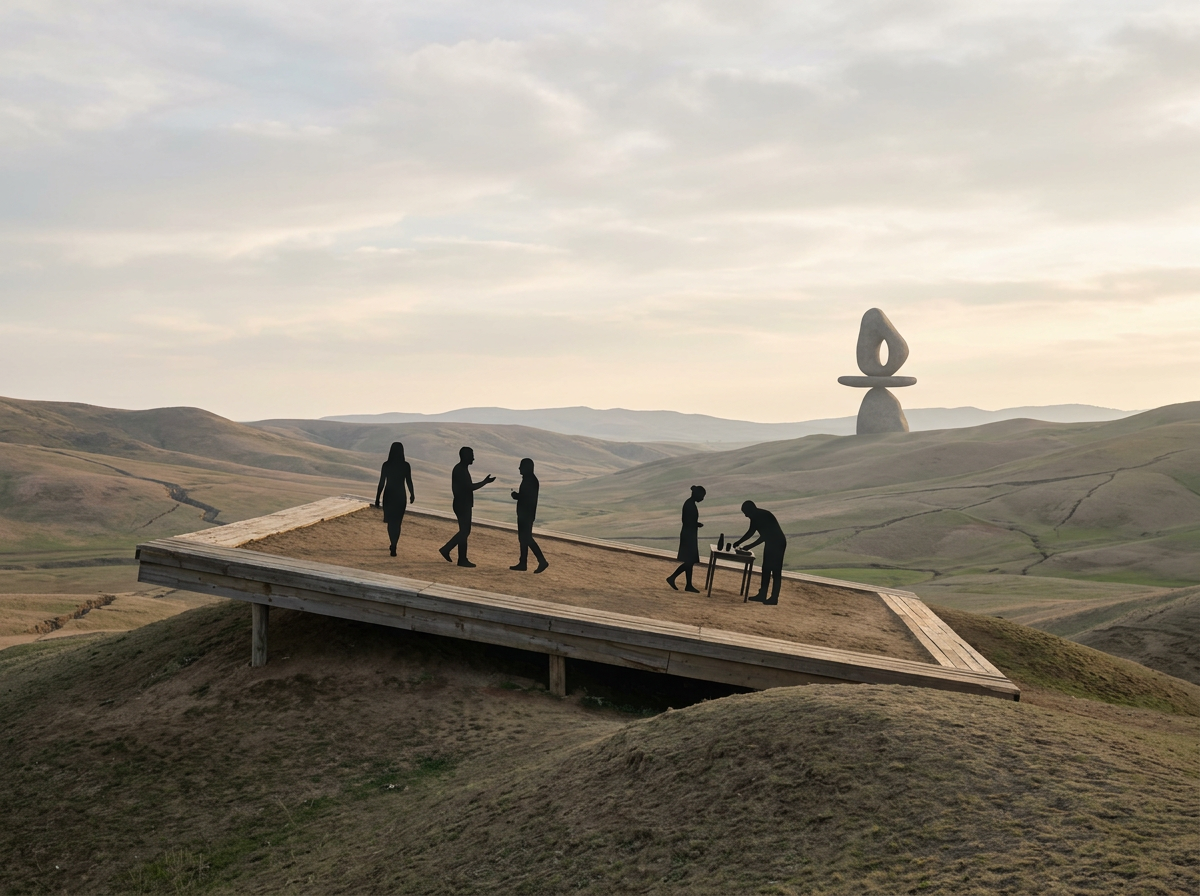
Eritrean political talk often begins with a familiar ceremony in which someone announces that unity is the missing ingredient, as though the country were a recipe that simply needs more stirring. The speeches follow a predictable rhythm that allows people to feel profound without confronting the weight of the terrain beneath them, because the moment one steps back from the glow of these declarations, it becomes obvious that the entire conversation is taking place on tilted ground. The participants continue performing as if the slope were imaginary, but the tilt is real, structural, and stubborn, and it is precisely the thing our political culture refuses to acknowledge because acknowledging it would force us to abandon the fantasy that unity can be summoned by goodwill alone.
2. Gravity of Power
Equilibrium, the unromantic force that governs political life, stands at the edge of Eritrean discourse like an unwelcome auditor waiting for someone to admit that nations do not cohere because their elites are polite but because no actor can dominate and no actor can escape. Other societies learned this through catastrophe rather than enlightenment, whether in Lebanon’s long war that ended only when every faction was exhausted into stalemate, or Bosnia’s settlement that emerged only after the alternative became annihilation, or Iraq’s fragmentation that forced a reluctant recognition of competing centers of power. These were not moral triumphs but structural recognitions, and Eritrea continues to behave as if it can negotiate its way out of the same gravitational laws that bind every other political system.
3. The Uneven Terrain
Anyone who walks across Eritrea’s political landscape with open eyes sees immediately that it is not a blank surface awaiting a unifying brushstroke but a terrain shaped by historical cleavages, demographic balances, and existential fears. The highland–lowland divide is not a rumor but a lived geography, the religious balance is not a footnote but a demographic architecture, and the ideological visions that animate different constituencies are not academic preferences but survival strategies. The diaspora adds another layer of distortion, generating storms from afar while those inside the country brace for the consequences, yet every few months someone insists that unity is simply a matter of “coming together,” as if the country were a family debating a vacation rather than a set of constituencies negotiating their place in a state that has never fully recognized them.
4. The False Umbrella
The Eritrean opposition has perfected the art of appearing unified while being structurally incompatible, gathering under umbrellas so large they can shade entire continents and then announcing that they represent everyone from highlanders to lowlanders, from secularists to Islamists, from federalists to centralists. But representation is not a costume one can wear for a press release; it is a weight that must be carried, and that weight exposes the unresolved contradictions that shape the country. The opposition’s fragmentation is not a failure of discipline but a reflection of the political landscape itself, and demanding unity before negotiation is like demanding a peace treaty before acknowledging the war, because the performance of unity collapses the moment the lights dim and the structural tensions reassert themselves.
5. The Real Table
Imagine a long table scarred by decades of grievances where the real actors of Eritrean politics sit with their fears, interests, and histories, from the highland bureaucrat guarding inherited privilege to the lowland pastoralist defending ancestral land, from the Muslim merchant seeking recognition to the Christian civil servant fearing marginalization, from the federalist demanding autonomy to the nationalist insisting on centralization, from the diaspora activist fluent in rights to the domestic citizen negotiating survival. Now imagine someone standing in the center of this table and announcing that unity must precede negotiation, and the silence that follows is not agreement but disbelief, because unity cannot come before negotiation when unity is the product of negotiation, and negotiation is the process through which equilibrium is discovered.
6. The Missing Blueprint
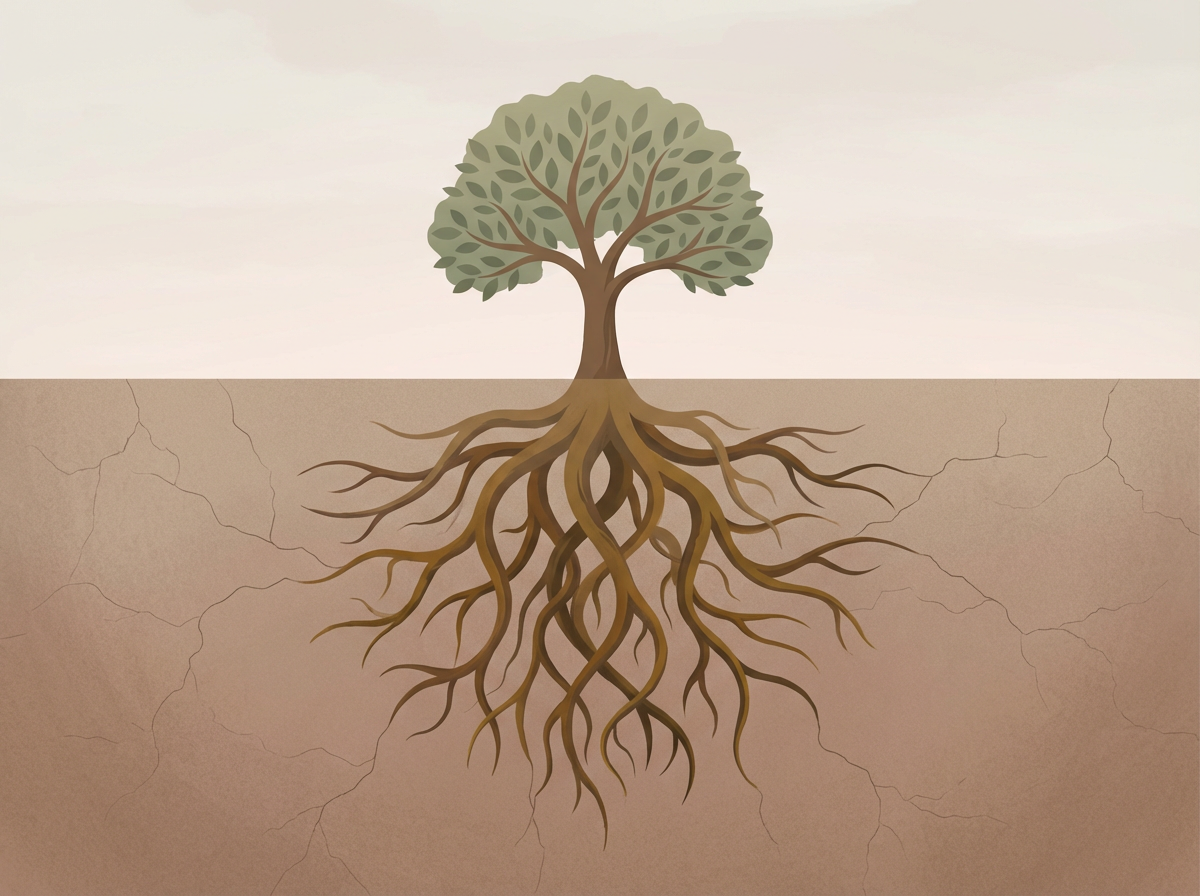
Eritrea will not achieve unity until it confronts the disputes that actually divide it, not the symbolic disputes we rehearse for comfort but the substantive ones involving regional fears, religious representation, power sharing, constitutional guarantees, decentralization, historical grievances, identity, and the future architecture of the state. Authoritarianism will not collapse because people behave virtuously but because power becomes distributed in a way that makes domination structurally impossible, and institutions will not appear because we desire them but because equilibrium demands them. Unity is not a sentiment but a design, and design must reflect the country that exists rather than the country we wish existed.
7. The Heavy Truth
Hope has become a sedative in Eritrean politics, a melody we hum to avoid confronting the structural realities that shape our fate, and we keep telling ourselves that unity is within reach if only we behave well, but unity will not arrive through moral discipline. It will arrive when the balance of power forces every actor to recognize that their future is inseparable from the future of those they would rather ignore, because that recognition is equilibrium, and equilibrium is the only path to a real national project. Until we accept this, unity will remain the most elegant lie in our political vocabulary, a story we repeat because the truth is heavier than we are willing to carry.
Share this content: