ERITREA: THE ROOT CAUSE
1. The National Excuse
Eritreans have perfected a remarkable political trick: whenever the conversation turns to the dictatorship, we point to the sky. We insist the system came from “out there,” as if it drifted in on a foreign wind and settled on us by cosmic misfortune. It is a convenient fantasy – the kind that allows every group to claim innocence without the inconvenience of self-examination. Storms that come from the sky leave debris. This one left fingerprints.
The system we live under is not an invader. It is a native product – grown from local fears, local ambitions, and local bargains. Calling it exogenous is not analysis. It is a national alibi.
2. Power From Within
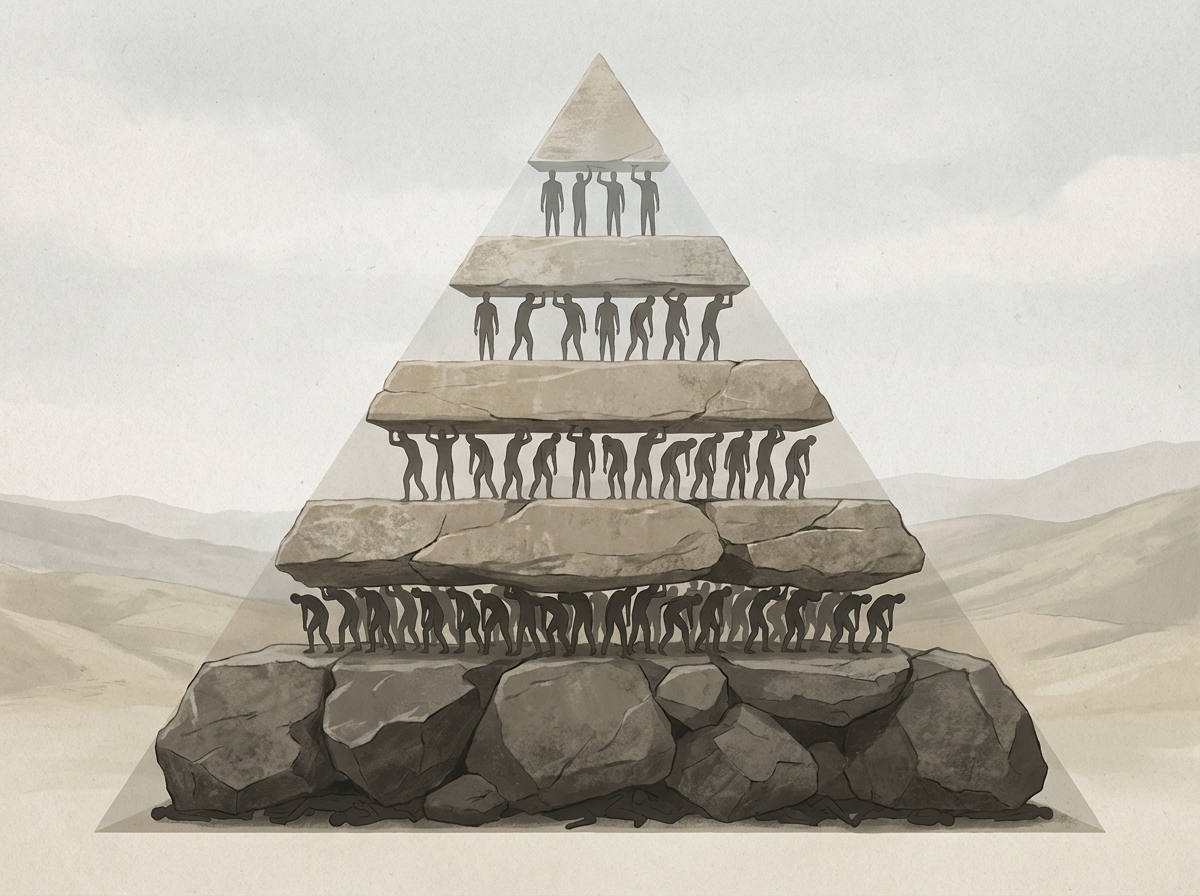
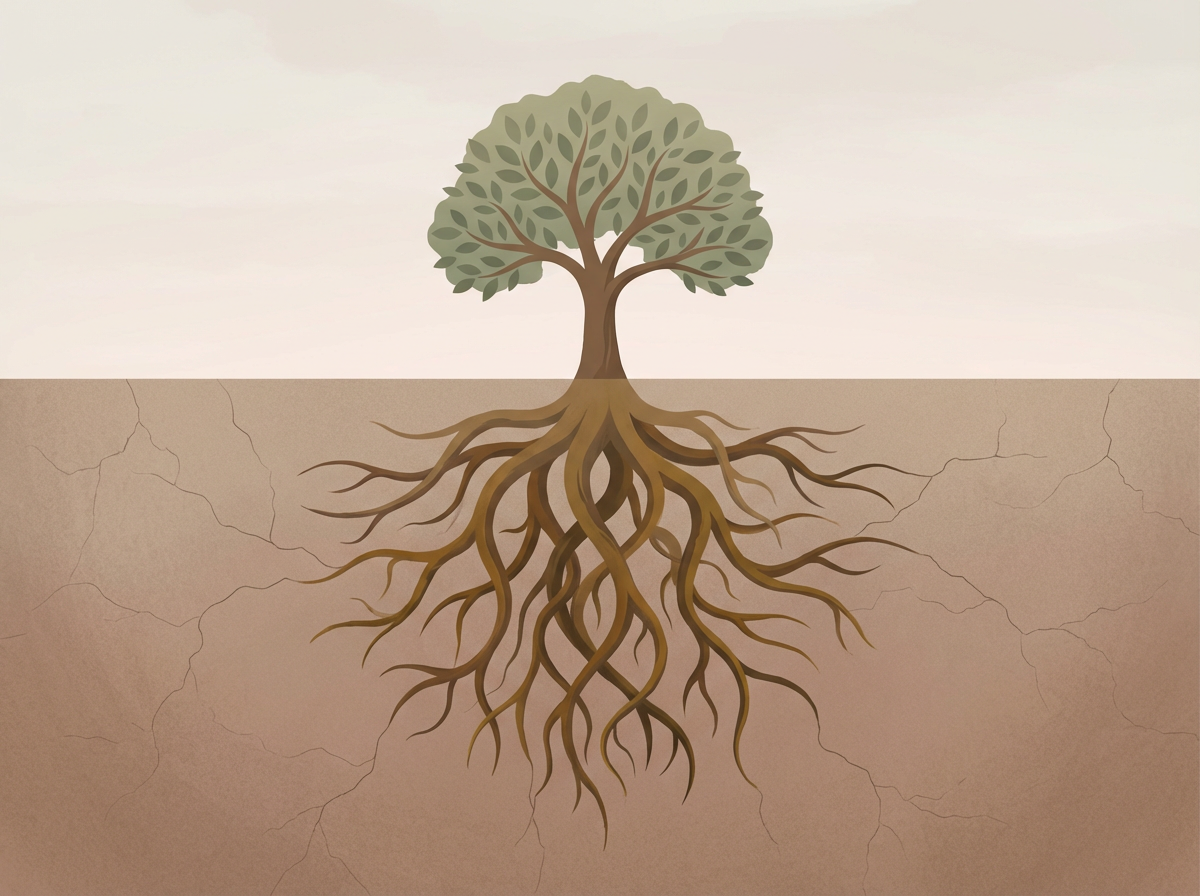
Endogenous power is the kind that grows quietly inside a society, like a root system spreading beneath the floorboards. It emerges from inherited hierarchies, demographic anxieties, and the silent agreements groups make to protect their advantage. It is not imposed; it is cultivated. It is not an interruption; it is a continuation.
Exogenous power, by contrast, is unmistakable. Colonial armies, foreign invasions, natural disasters – these forces arrive abruptly, disrupt violently, and leave no doubt about their origin.
Eritrea’s system does not behave like an intruder. It behaves like a mirror.
On every sensitive national question – land, religion, federalism, autonomy, diversity, Arabic, the Arab world, even Middle Eastern alignments – the regime’s worldview aligns almost perfectly with the worldview of many Tigrigna-speaking Christian highlanders in the opposition. The overlap is too precise to dismiss as coincidence. It is structural.
Endogenous power is not a stranger. It is a reflection.
3. The Fatal Misread
Once a society convinces itself that its problem is external, it naturally reaches for the wrong tools. It imagines that removing the ruler will fix the structure. It imagines that the country will “heal” once the foreign distortion is gone. It imagines that the fractures predating the regime will politely dissolve.
But systems rooted in internal bargains do not collapse because someone delivers a stirring speech. They collapse only when the equilibrium that sustains them shifts – when the beneficiaries no longer feel protected, or when the marginalized become strong enough to renegotiate the terms.
Sudan learned this lesson repeatedly. Each time a dictator fell, the same internal inequalities resurfaced, because the problem was never the ruler – it was the structure beneath him.
Iraq learned it even more violently. Removing the exogenous layer exposed the endogenous fractures – sectarian divides, regional resentments, historical wounds – that had been suppressed but never resolved. The result was not unity. It was implosion.
Endogenous problems do not disappear when you remove the figurehead. They erupt.
4. The Innocence Industry
The “external dictator” narrative is not just wrong; it is useful. It allows the dominant group to claim victimhood alongside the marginalized, as if suffering were evenly distributed. It allows them to say, “We all paid the price,” without acknowledging that some paid in fear while others paid in inconvenience.
This narrative also pressures marginalized groups to silence their grievances. If oppression is “equal,” then specific grievances become divisive. They are told to wait, to be patient, to stop being difficult. Their history becomes a threat to the national mood.
And the opposition, eager to appear universal, adopts the same flattening instinct – dissolving constituencies into a single patriotic fog. But unity built on erasure is not unity. It is sedation.
5. The Global Pattern
Endogenous power is not unique to Eritrea. It is the rule, not the exception.
South Africa’s apartheid system was not an alien force. It was the political expression of a white minority determined to preserve its dominance. The state did not fall from the sky; it grew from the fears of a group that believed equality meant extinction.
Syria’s Ba’ath regime did not materialize out of thin air. It was the survival strategy of a sectarian elite navigating a hostile demographic landscape. The system was not an intruder. It was a calculation.
Lebanon’s civil war did not erupt because of ideology. It erupted because the country had spent decades pretending its internal fractures were external problems. When the façade cracked, the endogenous disputes rushed out like floodwater.
Everywhere you look, the same pattern appears:
When a system reflects the fears and interests of a real constituency, it is not exogenous. It is endogenous. And endogenous power does not vanish. It must be confronted.
6. Silence as Weapon
When the opposition embraces the “foreign dictator” myth, it unintentionally reinforces the very structure it seeks to dismantle. It tells marginalized groups to postpone their grievances “until after change,” as if justice were a luxury item that can be delivered later. It tells them that naming structural inequalities is dangerous. It tells them that their history is inconvenient.
But postponement is not compromise. It is surrender.
Countries that tried to silence their fractures – Lebanon, Ethiopia under the Derg, Sri Lanka – discovered that silence does not heal. It festers. It deepens. It explodes.
Silence is not unity. Silence is scaffolding for domination.
7. The Real Work
If Eritrea is ever to reach a stable political order, it must abandon the fantasy of the falling storm. It must acknowledge that the system is not an external curse but an internal arrangement – a political settlement that privileges one constituency at the expense of others. It must allow every group to articulate its fears and demands without being accused of betrayal.
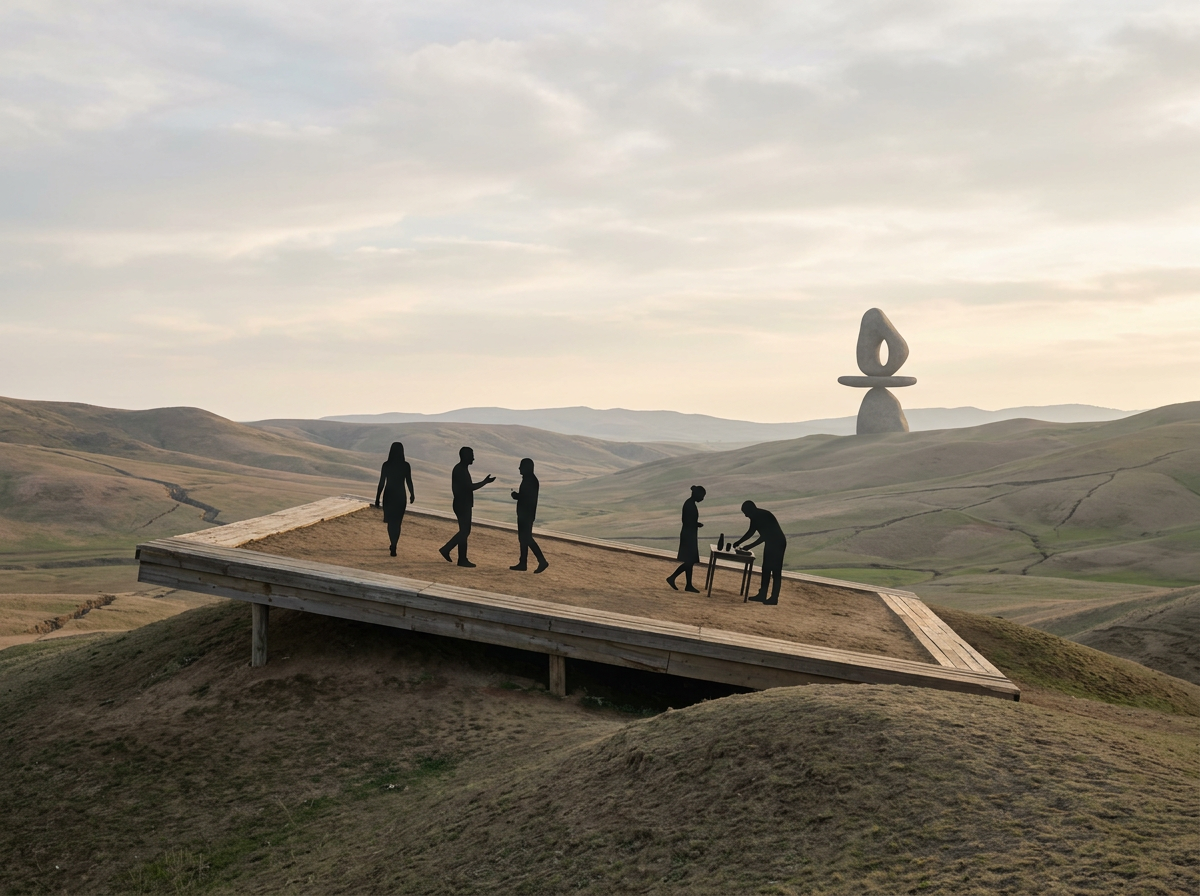
Only then can real negotiation begin – not the theatrical kind performed by umbrella organizations, but the structural kind in which real constituencies confront each other honestly, without euphemism, without anesthesia, without the illusion that unity can be declared into existence.
Endogenous power cannot be defeated by pretending it is exogenous. It can only be transformed by naming it, understanding it, and redesigning the architecture that sustains it. The storm did not arrive from the horizon. It rose from the ground. And only by naming the root can Eritrea begin to build something new.
Share this content: